RotorOps Rescue Fire Police Firefighting Missions Walkthrough
Read the wind, hit the front, and keep water—and fuel—working for the crew.
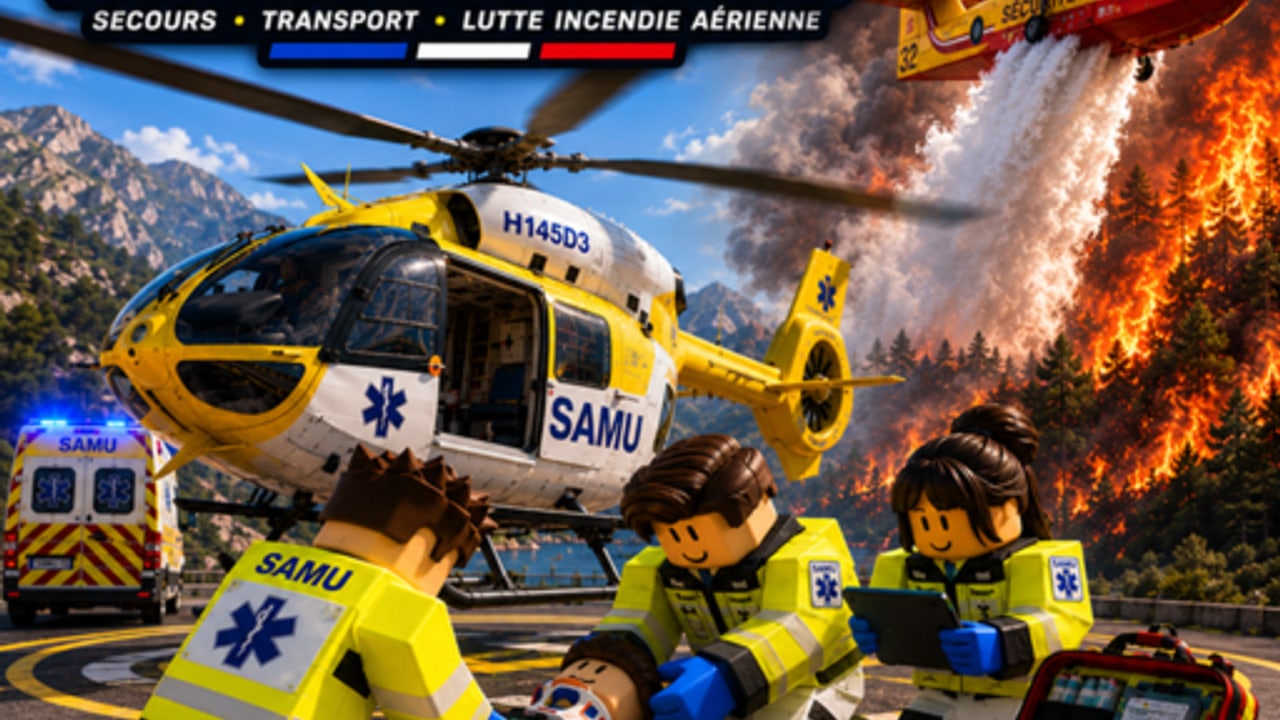
Fire calls in RotorOps - Rescue & Fire & Police punish panic dumping. Flames spread house to house with the wind, so chasing the prettiest smoke column often feeds the wrong edge. This guide explains wind-driven behavior, Bambi bucket technique, when larger platforms like the CL-415 and Dash 8 matter, and how a fire squadron should contain the front without running dry miles from base.
Pair this page with Getting Started, refueling, the tier list for airframe picks, and the players hub when you need a full fire crew.
How RotorOps fire behaves
Treat every structure fire as a moving problem. Wind pushes heat and embers toward the next house. If you soak the black, already-burned side while the orange front walks down the street, you lose the block. Containment means putting water or retardant on the advancing edge and creating breaks so the fire cannot jump.
Observe before the first drop:
- Which way is the smoke laying?
- Which adjacent roofs are still clean?
- Is there a water source for bucket work nearby?
- Are medical or gendarmerie units sharing the sector?
A ten-second read saves three wasted loads. Call the plan on squadron chat: “attack north front,” “protect the east row,” or “bucket shuttle from the lake.”
Squadron roles on a fire call
RotorOps fire work shines as a squadron, not a lone hero. Typical splits:
- Lead pilot / attack ship — Flies the primary drop pattern on the front.
- Support bucket or tanker — Hits secondary edges or reloads while lead repositions.
- Spotter or ground liaison — Calls wind shifts and which house is next at risk.
Boarding requests and shared bonuses still apply when your team structure uses them. Even if everyone is flying separate aircraft, treat timing as shared: stagger drops so you do not collide in the smoke, and leave pad space at base for refuel rotations.
If your lobby mixes roles, keep SAMU clear of active fronts unless a victim needs extract—hand those to medical missions once the immediate heat is blocked.
Bambi bucket fundamentals
The Bambi bucket is the teaching tool for aerial firefighting precision. You need two skills: filling without swimming the helicopter, and dropping on the correct edge.
Fill cycle. Approach the water source with controlled speed. Descend with Ctrl into a stable hover or slow pass depending on current handling. Dip, fill, and climb with Shift only when the bucket is clear of obstacles. Snagging trees or docks damages condition gauges and wastes the load.
Drop cycle. Ingress from the safe side when possible. Align with the wind-driven front. Release on the advancing edge, not the spectacular center flame. Climb out on a planned egress so the next ship can follow your track.
Reload discipline. Empty buckets do nothing. Build a shuttle: fire front → water → front → water. Factor fuel. Bucket work is hover-heavy and burns tanks faster than cruise. Schedule a base return before bingo—see how to refuel.
Practice empty patterns over water first if the lobby allows. Smooth fills beat heroic swings.
CL-415 and Dash 8 roles
Larger fire platforms exist for heavier water or retardant delivery. Community-facing mentions include the CL-415 and Dash 8 style assets alongside helicopter bucket work. Use them when:
- Multiple houses are already involved and small bucket loads cannot keep up.
- You need a long retardant line to stop lateral spread.
- Your squadron can protect the tanker pattern with spotting calls.
These airframes change your energy plan. Wider turns, longer final approaches, and bigger consequences for a missed drop. Do not unlock or deploy a heavy fire ship as your first aircraft—learn wind reading and bucket accuracy on a standard heli deploy first. Compare options on the tier list after you understand the mission timer and fuel burn.
Country or region settings may alter which brands appear in your hangar. US-facing lobbies may lean Bell or Boeing lines; EU and Asia lobbies often emphasize Airbus standards such as EC145, AS365, EC135, and H145 family ships. Firefighting tactics stay the same even when the nose art changes.
Containing the front: a practical playbook
- Identify the head of the fire — the side moving into unburned structures.
- Prioritize exposures — houses still saveable beat ruins that are already gone.
- First drop on the head — stop the walk.
- Second drop on the shoulders — keep the fire from flanking around your wet line.
- Reassess wind — if smoke shifts, your next load shifts with it.
- Cut access — if the map allows defensive lines ahead of the fire, place them before the flame arrives.
- Hand off victims — any rescued civilians go to medical workflow, not the bucket seat.
Never empty three loads into a collapsed roof while the next house lights. Containment is triage with water.
Flying technique on the fire ground
Smoke reduces visibility. Use disciplined approaches from controls and flying: early descent, stable hover or pass, no panic collective. Night fires may need N for night vision, but glow can wash NVG—adapt. Stay above mast and wire height when transit; only descend for fill or drop.
Heat columns can buffet the airframe. If the helicopter becomes unstable, exit the column, reset, and reinbound. A crashed tanker helps nobody. Watch condition gauges after any scrape with trees, wires, or hard landings near staging pads.
Fuel and logistics on long fires
Structure fires can outlast a single tank. Assign a refuel order in the squadron: when lead hits bingo, support takes the front while lead returns to hangar or base. Do not wait until the low-fuel warning coincides with a critical exposure. RotorOps expects return-to-base refueling; plan it like a real aviation operation.
Keep one aircraft fueled as a spare if the lobby is large enough. Shared bonuses still need the mission completed—running everyone dry at once is how the block burns down during your group taxi to the pumps.
Coordination with other services
- Medical: Pull victims out of threatened houses, then keep them clear of drop paths.
- Gendarmerie: Crowd monitoring and missing-person searches near evacuations—see gendarmerie missions.
- Base ops: Clear pads, quick turn refuels, and no parking in the only approach lane.
Cross-role chaos is normal in BETA. Loud, short callouts fix more than essays in chat.
Training drills
- Ten bucket fill-and-climb cycles without touching obstacles.
- Drop on a marked edge target, not a center flame, five times in a row.
- Full shuttle with a forced mid-mission refuel to practice handoffs.
- Two-ship staggered pattern so wakes and drop timing do not collide.
- Debrief wind mistakes: where did the fire go next, and did you predict it?
Common firefighting mistakes
- Attacking the burned side because it looks dramatic.
- Hovering in smoke until orientation is gone.
- Ignoring fuel during bucket shuttles.
- Buying heavy fire aircraft before mastering hover dips.
- Blocking the base pad so nobody can refuel.
- Mixing medical boarding with active drop runs on the same rooftop.
Progression tips
Early credits should buy reliability and practice time. Free Civil Security liveries are fine while you learn. Climb the tier list only after your drop accuracy is consistent. Watch updates for fire spread tuning, new tankers, or map weather changes during the Veltsim_Officiel BETA.
Win fire calls by reading wind, hitting the front, shuttling water, and rotating home for fuel. That loop—not bigger explosions—clears the street and pays the squadron.
Frequently Asked Questions
Quick answers to the most common RotorOps questions.
Where should I drop water first?
Hit the wind-driven advancing front and threatened houses first. Soaking already-burned structures while the fire walks to the next roof loses the block.
What is the Bambi bucket best for?
Precision helicopter shuttles between a water source and the fire edge. Master fills and edge drops before relying on larger CL-415 or Dash 8 style loads.
When do CL-415 or Dash 8 platforms help?
Use heavier aircraft when multiple houses are involved or you need longer retardant lines. They need more room, fuel planning, and squadron coordination than a single bucket ship.
How do we avoid running out of fuel mid-fire?
Set bingo limits, stagger returns to hangar or base, and keep at least one ship working the front while another refuels. Bucket hovering burns fuel faster than cruise.