RotorOps Rescue Fire Police Roles and Departments
SAMU medical, firefighting, and gendarmerie crews—who flies, who treats, and how teams earn more together.
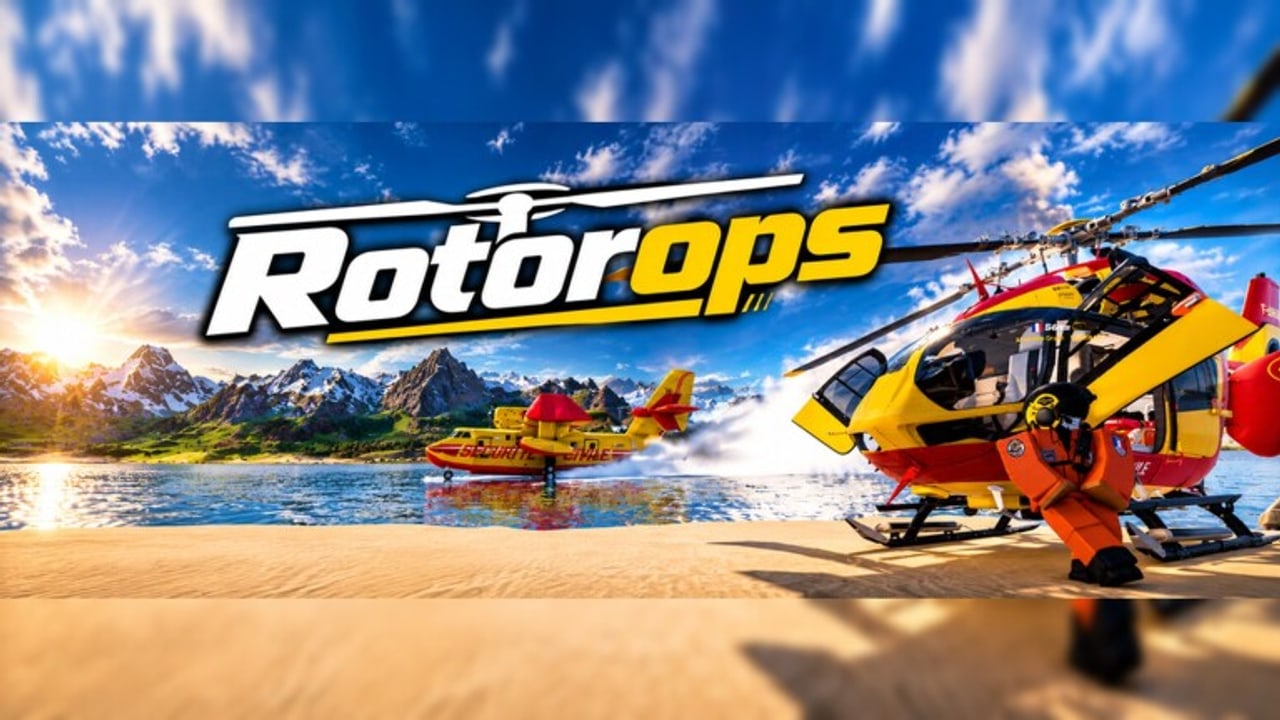
Departments at a glance
[BETA] RotorOps - Rescue & Fire & Police is built around three emergency pillars: medical rescue (SAMU), firefighting, and gendarmerie/police. Sessions cap around 50 players, so clear role calls matter. This hub explains how pilots and cabin crews split work, what each department emphasizes, and how to progress without relying on cheats from the empty Scripts Hub.
Always pair role choice with an airframe from the Tier List and a mission guide from the Guides Hub.
Pilot vs medical / cabin crew
Not everyone should fight for the cyclic. High-performing sorties usually assign:
- Pilot-in-command — engines (X), systems (H), climb/descend (Shift / Ctrl), navigation, fuel calls, NVG (N), and safe RTB.
- Winch / hoist operator — runs the hoist over patients or gear; timing beats panic spamming. Drill with How to Use the Hoist.
- Medical / stretcher team — collar, splint, tourniquet, intubation, respirator, and patient movement into the cabin.
- Fire specialist (when on fire ticket) — Bambi bucket timing or coordination with CL-415 / Dash 8 bombers.
- Gendarmerie observer — sensors, communications, and support tasking rather than joyriding.
If your squad stacks four “pilots” and zero cabin roles, medevac quality collapses. Use the Tools Hub checklist before spin-up.
SAMU / medical rescue
SAMU loops are the heart of the rescue fantasy: locate, stabilize, hoist, transport. Success markers:
- Stable hover and clear hoist lane
- Correct kit order instead of random item spam
- Stretcher teamwork so the patient is not dropped in chaos
- Fuel reserve for the hospital or base leg—see How to Refuel
Preferred ships skew toward EC145 / H145 for crew space, with EC135 and AS365 as strong alternatives once funded. Full walkthrough: Medical Missions.
Firefighting
Fire players split between rotary bucket work and fixed-wing bombers:
- Helicopter fire — Bambi bucket fills and drops, recon with FLIR, tight coordination with ground markers.
- Bomber fire — CL-415 and Dash 8 for larger line suppression when a bucket cannot keep up.
Do not bring a pure medevac mindset to a major wildfire without the right kit. Read Firefighting Missions and stage fuel consciously; dry tanks help no one on the fire line.
Gendarmerie / police
Gendarmerie flights support policing and presence tasks: observation, transport, and sensor use more than water payload. EC135 often feels right for agile response; EC145 / H145 help when you board a larger team. Keep bombers on fire duty. Mission flow: Gendarmerie Missions.
Unlock notes (community-reported)
BETA unlock rules can change without a long patch essay. Community tutorials and crew chatter have mentioned department or role gates around level 5 for some early access and around level 20 for later specialty unlocks. Phrase those numbers carefully:
- They are community-reported, not a guaranteed forever contract from Veltsim.
- Exact labels (which department at which level) may differ after a patch.
- Buying accounts, using injectors, or paying for “instant unlock scripts” is unsafe and unnecessary—see Scripts.
When in doubt, check the live shop/role UI after joining the place and confirm in the official Discord. Log material changes on the Updates Hub.
Team bonuses and why crews earn more
RotorOps rewards coordinated boarding and completed callouts more than lone-wolf hovering. Practical bonus habits:
- Fill the cabin on purpose — a pilot plus hoist plus medical beats three disconnected solo flights.
- Call the mission type in chat so the right kit loads (SAMU vs fire vs gendarmerie).
- Share fuel status early; one dry ship strands the whole stretcher plan.
- Assign NVG / FLIR roles at night instead of everyone toggling blindly.
- RTB together when the ticket closes so the next sortie starts organized.
Credits saved this way fund the EC-135 purchase window (~160k credits reported) faster than chaotic hopping. Country brand variants (Bell/Boeing options for some US players) still follow the same crew logic.
Suggested progression path
- Finish the tutorial and Getting Started.
- Learn Controls and Flying until hover and landing are boring.
- Pick a primary department on this page and run its mission guide.
- Add a secondary role so you can fill gaps on quiet servers.
- Revisit the Tier List before major credit spends.
- Watch Updates and Discord for unlock or economy tweaks.
Soft skills that separate good crews
- Short radio-style chat: “hover on,” “litter ready,” “bucket wet,” “bingo fuel.”
- Patience on hoist—rushing causes rework.
- Respect for RP tone; this is not a deathmatch lobby.
- Mentoring new pilots instead of kicking them for one hard landing.
New players should ignore code rumors until the Codes Hub verifies a string, and should ignore script sellers entirely. Official place link and Discord sit on the Wiki links page.
Fly the role you queued for, bring the right airframe, and treat every teammate as part of the rescue—not competition for the pilot seat.
Frequently Asked Questions
Quick answers to the most common RotorOps questions.
What roles can I play in RotorOps?
The core departments are medical rescue (SAMU), firefighting, and gendarmerie/police. Within sorties you still split pilot, hoist, stretcher/medical, and fire or observer duties.
Do I unlock departments at level 5 and level 20?
Community tutorials have mentioned gates around those levels for some roles, but numbers are community-reported and may change in BETA. Always confirm in the live game UI and Discord.
Should everyone try to be the pilot?
No. Medevac and fire quality jump when someone runs hoist, medical kit, or bucket duties. Assign seats before engines start.
Which department is best for beginners?
Many new players start with basic helicopter handling, then SAMU cabin work or simple fire support once controls feel stable. Follow Getting Started before specializing.
How do team bonuses work?
Coordinated boarding, finished callouts, and role-complete crews generally outperform solo chaos. Communicate fuel, kit, and mission type so the whole ship contributes.