RotorOps Rescue Fire Police Gendarmerie and Aerial Police Missions
FLIR, night optics, observation orbits, and search patterns that help ground units.
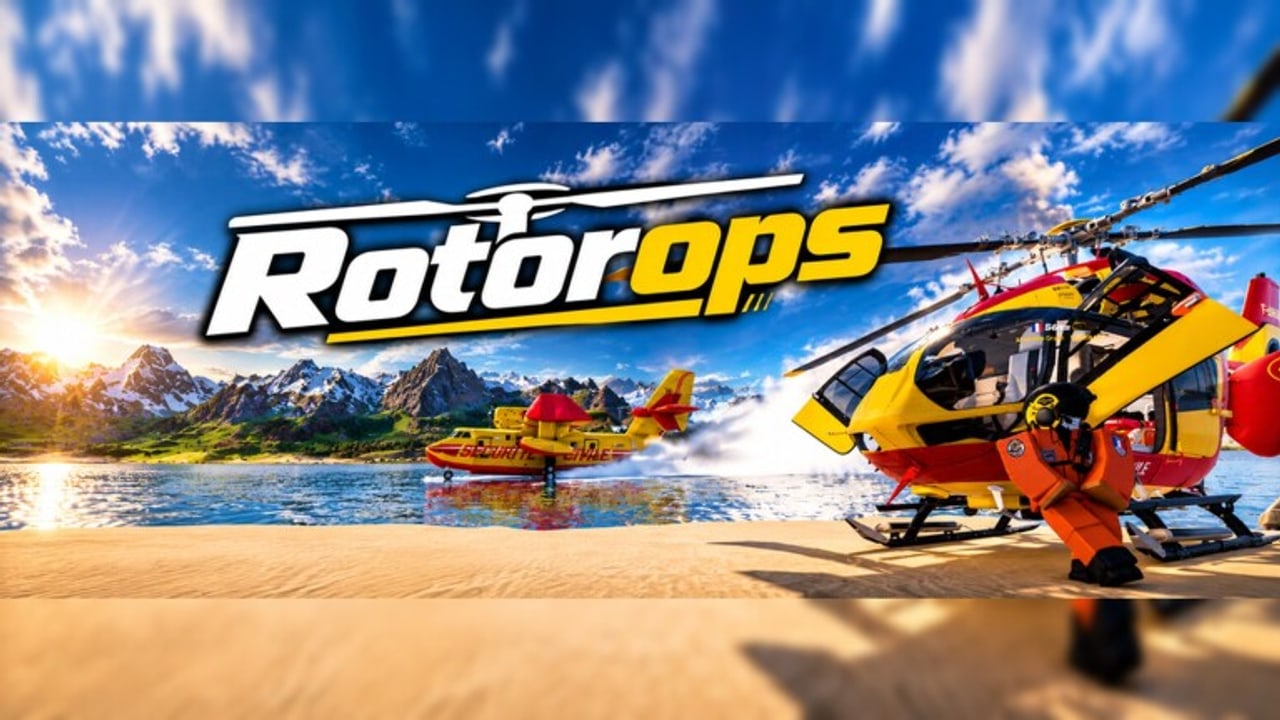
Gendarmerie work in RotorOps - Rescue & Fire & Police is quieter than sirens and bucket drops, but it is just as fuel-hungry and teamwork-heavy. You monitor gatherings, locate missing persons, and provide aerial police support with tools like FLIR thermal imaging and night vision binoculars. This guide explains how to fly observation profiles, run searches, and support other services without inventing unlock rules the BETA has not fully documented.
Read Getting Started if you are new, keep controls and flying handy for NVG and hover work, compare ships on the tier list, and find role partners on the players hub.
What gendarmerie sorties ask of you
Aerial police support is about information and presence. You are often the highest eye on the map. Success looks like clear callouts, stable orbits, and timely handoffs to medical or ground units—not cinematic rooftop landings.
Common task families:
- Monitor gatherings — Hold a high observation position, watch crowd flow, and report changes.
- Locate missing persons — Grid search with FLIR thermal and night optics when visibility fails.
- Aerial support — Escort, overwatch, or vector other players toward contacts.
- Night operations — Combine aircraft night vision (N) with role binoculars or FLIR as available.
Because RotorOps is a live BETA by Veltsim_Officiel, exact prompt text and unlock gates can shift. Fly the tactics here; verify menu names in your build.
Optics toolkit: FLIR and night vision
FLIR thermal. Thermal views help you spot heat signatures against cooler terrain—useful for people in woods, fields, or dark streets. Scan slowly. Fast yaws blur contacts and make false calls. When you see a hit, mark it verbally with clock position and landmark: “FLIR contact, two o’clock from the church, moving north.”
Night vision binoculars / NV aids. Night tools extend observation when streetlights fail. Pair them with the pilot’s N toggle for cockpit night vision so the aircraft itself remains controllable. Split duties: pilot flies and clears wires; observer runs binoculars or FLIR.
Limits. Optics do not replace fuel planning or altitude discipline. A perfect FLIR picture is useless if you settle into trees. Smoke from nearby fires can complicate thermal contrast—coordinate with firefighting units so you are not orbiting inside a drop pattern.
Observation flying technique
Fly higher and smoother than a medical final approach. A stable orbit or lazy figure-eight keeps sensors on the target while conserving attention. Use small collective inputs from controls—Shift and Ctrl in taps, not stomps.
For gatherings:
- Establish an orbit outside immediate hazard range.
- Note entrances, exits, and choke points.
- Call sudden surges, splits, or vehicles of interest.
- Avoid low passes that create dust, noise, or rotor risk over people.
- Leave a fuel reserve so you can stay until ground units acknowledge.
For missing persons:
- Brief the last known point and search boundary.
- Build a grid or expanding square the whole crew understands.
- Assign who watches FLIR versus who watches naked-eye landmarks.
- Overlap edges so gaps do not hide the subject.
- When found, decide land, hoist, or hold for SAMU—see medical missions and hoist if rescue care is required.
Crew model for police aviation
Even though medical teams advertise one pilot plus two medics, gendarmerie flights still benefit from a pilot plus observer. Solo pilots can search, but dual crews catch more contacts and keep the aircraft safer.
Suggested callouts:
- “On station.”
- “Starting grid northbound.”
- “FLIR contact, hold orbit.”
- “Lost contact, continuing sweep.”
- “Bingo fuel in five, need relief.”
Boarding requests matter when you embark observers or transfer found persons into care. Shared bonuses, when the mission grants them, still favor completed objectives over abandoned orbits.
Aerial police support with other roles
With medical. You find; they treat. Do not skip cervical collar and boarding gates just because the subject was a search target. Hand off cleanly.
With fire. Provide overwatch on evacuation routes and spot spot-fires outside the main front. Stay clear of Bambi bucket tracks and tanker finals.
With base. Coordinate relief birds so continuous observation does not mean one crew flaming out of fuel over the target.
Multi-role nights are common. Keep your lane: information and search first, then request the specialist who actually owns the next mechanic.
Notes on level unlocks (community-reported, provisional)
Players sometimes report that certain gendarmerie tools, missions, or airframes unlock after level thresholds or progression gates. Treat those reports as community-observed and provisional during BETA:
- Do not assume a locked FLIR menu is a bug until you confirm your level, role, and patch.
- Do not write unlock numbers into team doctrine unless you verified them in the current build.
- Recheck after updates—Veltsim_Officiel can retune progression without long patch essays.
- Cross-check updates and the community Discord at https://discord.gg/rotorops-roblox when something that worked yesterday is gated today.
If a tool is locked, you can still practice observation orbits, night flying with N, and radio discipline. Those skills transfer the moment the optic unlocks.
Aircraft and loadout choices
Quiet, stable platforms beat flashy racers. EC-class helicopters used elsewhere in RotorOps remain sensible for observation if they hover well and have the fuel endurance for long orbits. Region settings may change whether you see Airbus standards or Bell/Boeing options—tactics stay constant. Free Civil Security-style liveries are fine for training; paint does not find missing persons.
Consult the tier list for endurance and handling notes, but prioritize crew skill. An expensive EC-135 flown impatiently loses contacts a cheaper, steady ship would hold.
Night search checklist
- Refuel full before launch.
- Brief search box and radio channel.
- Pilot enables N as needed for flight vision.
- Observer ready with FLIR or night binoculars.
- Climb to a safe search altitude for the terrain.
- Run the grid without skipping edges.
- On contact, orbit, confirm, and call medical if care is needed.
- Hit bingo early enough to reach hangar or base—refuel guide.
Common gendarmerie mistakes
- Orbiting too low over crowds.
- Yawing so fast FLIR never settles.
- Forgetting bingo fuel during a “one more pass” spiral.
- Treating unverified unlock rumors as hard rules.
- Stealing medical care steps instead of handing off.
- Flying through active fire drop patterns for a better camera angle.
Training plan
- Daylight orbit practice over a landmark for five minutes without altitude bobbing.
- Night circuit with N engaged, focusing on wires and pad lighting.
- Mock grid search with a friend from players acting as the missing person.
- Dual-crew run: pilot only flies, observer only calls optics.
- Full mission with a deliberate mid-search refuel handoff.
After-action habits
Log what worked: altitude, orbit radius, optic mode, and how you described contacts. Share concise lessons with your squadron. Watch updates for police toolkit changes. Gendarmerie excellence is patient, fuel-aware, and precise with words. When you do that, ground teams move smarter—and RotorOps lobbies feel like a real coordinated response instead of scattered helicopters.
Frequently Asked Questions
Quick answers to the most common RotorOps questions.
What tools do gendarmerie crews use in RotorOps?
FLIR thermal imaging and night vision binoculars are the headline observation tools, alongside the aircraft night vision toggle (N) for dark flying. Exact menus can change during BETA.
How should I search for a missing person?
Brief a boundary, fly a grid or expanding pattern, scan slowly with FLIR or night optics, and call contacts with clear landmarks. Hand injured subjects to medical workflow.
Are gendarmerie unlock levels confirmed?
Some players report level or progression gates for tools or missions. Treat those as community-reported and provisional—verify in your current build and patch notes before relying on specific numbers.
Do I need a second crew member for police flights?
Solo is possible, but a dedicated observer on FLIR or binoculars while the pilot flies is safer and finds contacts faster. Use the players hub to crew up.
How do gendarmerie units work with fire or SAMU?
Provide overwatch and search information, stay clear of drop paths, and hand patients to medical teams for collar-to-respirator care and boarding rules.